President Bola Tinubu has inaugurated a Presidential Committee on Fiscal Policy and Tax Reforms. this development comes barely 24 hours after the President signed four Executive Orders, suspending the five per cent excise tax on telecommunication services and the excise duties escalation on locally-manufactured vehicles.
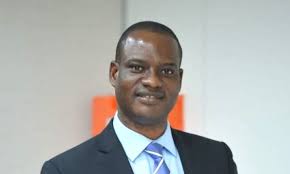
The president appointed Fiscal Policy Partner, Mr. Taiwo Oyedele, as committee chairman.
In a statement signed by Tinubu’s Special Adviser on Special Duties, Communication and Strategy, Dele Alake, on Friday. The committe “Will comprise experts from both the private and public sectors and have responsibility for the various aspects of tax law reform, fiscal policy design and coordination, harmonisation of taxes, and revenue administration,”
According to the statement titled ‘President Tinubu sets up committee on tax reforms,’ the committee’s primary objective is to enhance revenue collection efficiency and ensure transparent reporting.
It will also promote the effective utilisation of tax and other revenues to boost citizens’ tax morale, foster a healthy tax culture, and drive voluntary compliance.
Alake cited earlier remarks by the Special Adviser to the President on Revenue, Mr Zaccheus Adedeji, who explained that Tinubu recognises the importance of a sound fiscal policy environment and an effective taxation system for the functioning of the government and the economy.
According to Adedeji, “Nigeria ranks very low on the global ease of paying taxes while the country’s Tax to GDP ratio is one of the lowest in the world and well below the African average.
“This has led to an overreliance on borrowing to finance public spending, which in turn limits the fiscal space as debt service costs consume a greater portion of government revenue, annually resulting in a vicious cycle of inadequate funding for socio-economic development.
Adedeji outlined the key challenges in Nigeria’s tax system, including multiple taxes and revenue collection agencies, fragmented and complex tax system, low tax morale, high prevalence of tax evasion, high cost of revenue administration, lack of coordination between fiscal and economic policies, and poor accountability in the utilisation of tax revenue.
Adedeji explained that the administration hopes to transform the tax system to support sustainable development and achieve a minimum of 18 per cent Tax to GDP ratio within three years without stifling investment or economic growth.