The recently rehabilitated Port Harcourt Refinery has begun selling Premium Motor Spirit at N1,045 per liter, a price N75 higher than the N970 per liter offered by Dangote Refinery, the Petroleum Products Retail Outlets Owners Association of Nigeria has confirmed.
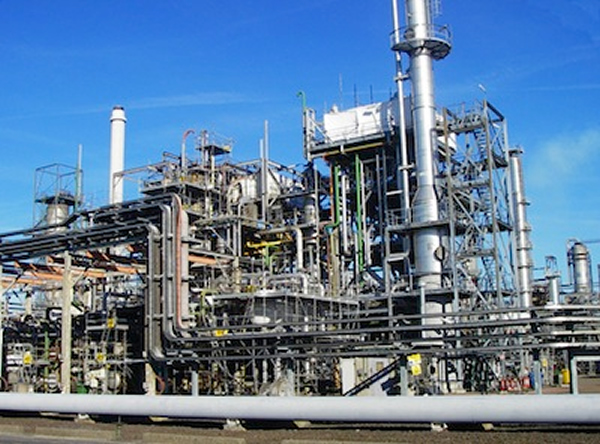
The refinery resumed operations on Tuesday 26th November after years of inactivity, drawing initial praise from Nigerians and industry stakeholders. However, concerns have arisen over the higher petrol price compared to the ex-depot prices currently available in the country.
Speaking on Wednesday 27th November, PETROAN’s National Public Relations Officer, Dr. Joseph Obele confirmed the price difference, noting that it has discouraged marketers from lifting products from the refinery.
Obele said “Yes, the Port Harcourt refinery is selling petrol for N1,045 per litre to marketers, that is N75 higher than the price from Dangote. This high price is why marketers are not going to pick up products from the refinery. The NNPCL GCEO has assured that the price would be reduced”.
After seven postponements, the Port Harcourt Refinery Company commenced fuel production, promising a daily supply of about 200 trucks as about one million liters of refined products were released by the plant on Tuesday 26th November. The Nigerian National Petroleum Company Limited unveiled the refinery on Tuesday, saying the old facility which has a capacity of 60,000 barrels per day had been revamped and upgraded with modern equipment.
The NNPC said the newly rehabilitated complex of the old Port Harcourt refinery is currently operating at a refining capacity of 70 per cent of its installed capacity. They added that diesel and Pour Fuel Oil would be the highest output from the refinery with a daily capacity of 1.5 million liters and 2.1 million liters respectively.
This is followed by a daily output of Straight-Run Gasoline (Naphtha) blended into 1.4 million liters of Premium Motor Spirit (petrol), 900,000 liters of kerosene and low-pour fuel oil of 2.1 million liters.