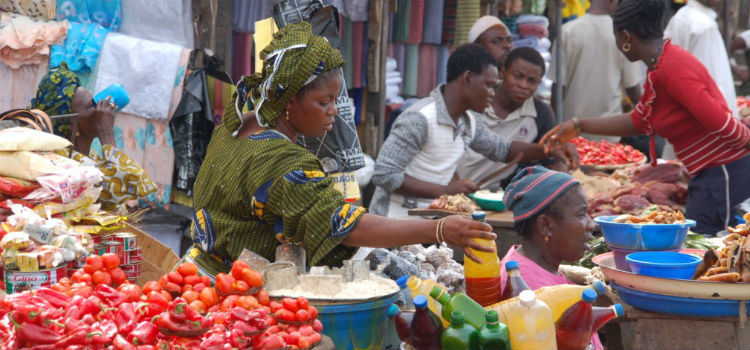
Inflation can generally be defined as the increase in commodities in our every day living. Some of these increase can occur in food prices, water,electricity,etc. When the general price level rises, each unit of currency buys fewer goods and services; consequently, inflation corresponds to a reduction in the purchasing power of money. Nigeria’s inflation rate jumped to a 17-year high of 21.09% in October 2022, representing a 0.32% point increase from 20.77% recorded last month.
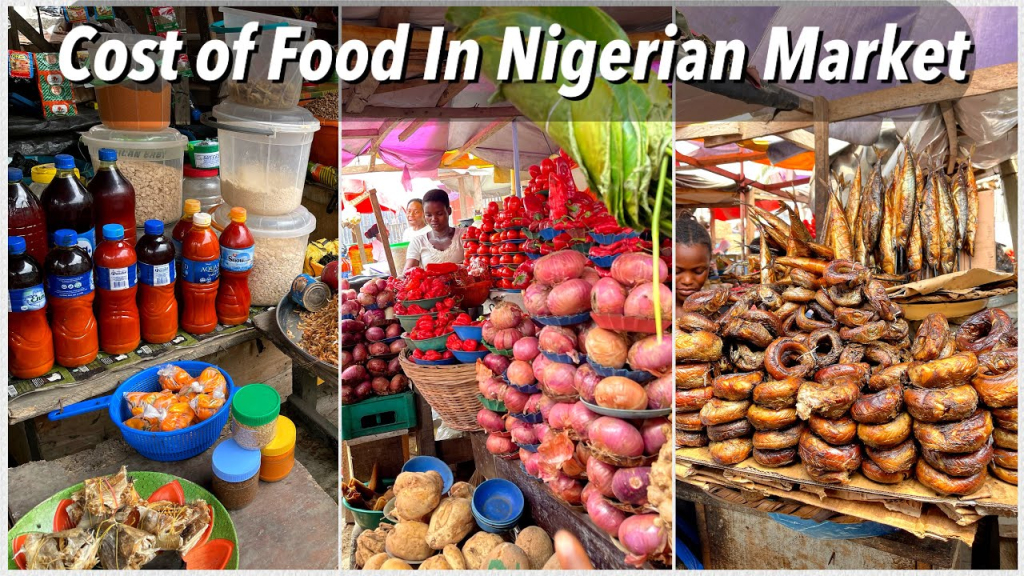
This is coming as food inflation in October 2022 increased to 23.72% from 18.34% in the corresponding Month last year, as disclosed on Monday, November 14, 2022, in a National Bureau of Statistics, NBS, Consumer Price Index, CPI report. It was further disclosed that food inflation sharply rose to 23.72% in the Month under review from 23.34% in the prior Month, while the core inflation rate jumped to 17.76% from 17.6% recorded in September 2022. “In October 2022, on a year–on–year basis, the headline inflation rate was 21.09%. This was 5.09% points higher compared to the rate recorded in October 2021, which was 15.99%. This shows that the general price level for the headline inflation rate increased in October 2022 compared to the same Month in the preceding year (i.e., October 2021) by 5.09%. “On a month-on-month basis, the Headline inflation rate for October 2022 was 1.24%, this was 0.11% lower than the rate recorded in September 2022 (1.36%). This means that in October 2022 the general price level for the headline inflation rate (Month–on–month basis) declined by 0.11%.
“The percentage at which things increased is so alarming and it is so outrageous in the average CPI for the twelve months ending October 2022 over the average for the previous twelve months period was 17.86%, showing a 0.91% increase compared to the 16.96% recorded in October 2021,” the report said. In economics, inflation refers to a general increase in the prices of goods and services in an economy. When the general price level rises, each unit of currency buys fewer goods and services; consequently, inflation corresponds to a reduction in the purchasing power of money.
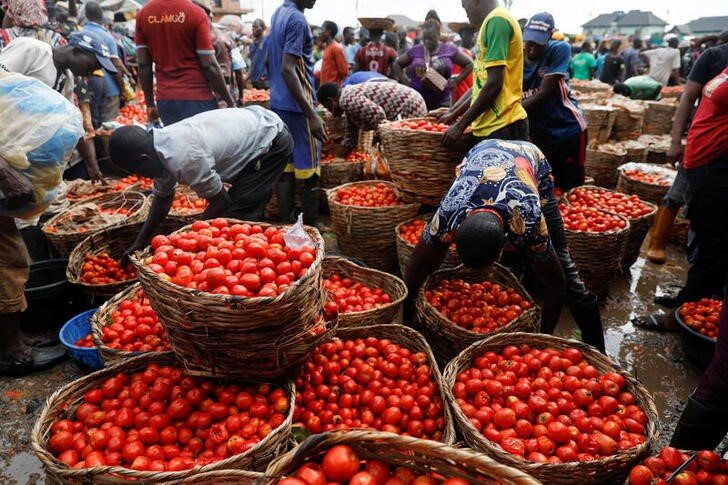
When it comes to the supply of food things practically got worsened and as such things increased beyond human imaginations. products, increase in the cost of importation due to the persistent currency depreciation and A general rise in the price of production e.g increase in energy cost. Also, NBS stated that in October 2022, the inflation rate on all items on a year-on-year basis was highest in Kogi (25.15%), Bauchi (23.45%), Ondo (23.45%), while Plateau (19.02%), Borno (19.31%) and Nasarawa (19.39%) scored the slowest rise in headline Year-on-Year inflation. On a month-on-month basis, however, October 2022 recorded the highest increases in Abuja (3.18%), Kebbi (2.80%), Sokoto (2.57%), while Kwara (-0.14%), Kogi (0.06%) and Oyo (0.30%) recorded the slowest rise on month-on-month inflation.