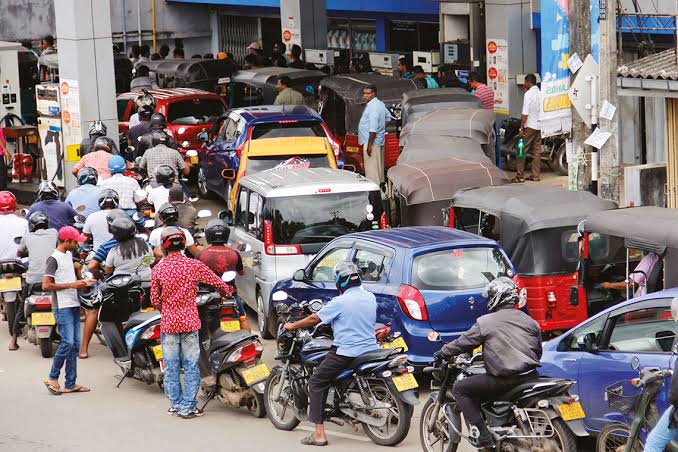

The scarcity of Premium Motor Spirit (PMS), commonly known as petrol, has triggered widespread disruptions in Abuja and several other states. With many filling stations closed, long queues formed at the few outlets dispensing fuel, leaving thousands of commuters stranded.
Transportation services in the Federal Capital Territory, Nasarawa, Niger, Gombe, Sokoto, and Anambra states were severely impacted, leading to skyrocketing transport fares as petrol-dependent vehicles struggled to operate.
The scarcity, attributed to a shortage in PMS supply to the nation’s capital and neighboring states, forced numerous filling stations to cease operations. Oil marketers announced plans to meet with the Nigerian National Petroleum Corporation (NNPC) to address the root cause of the shortage and explore solutions.
In Abuja, chaos ensued as motorists besieged the few stations selling petrol, causing heavy traffic congestion around NNPC headquarters and nearby areas. Similar scenes unfolded in Zuba, Niger State, and Nyanya, Nasarawa State, where many filling stations remained closed.
The scarcity’s ripple effects were felt in Anambra State, where commuters faced exorbitant transportation fares and long waits at bus stops due to the unavailability of vehicles. Despite assurances from officials that the situation was under control, speculation abounded among the public about the cause of the closures, with some suspecting a deliberate effort to manipulate fuel prices.
Meanwhile, in Lagos and Ogun states, long queues formed at filling stations offering relatively lower prices, exacerbating the frustration of motorists. The scarcity also hit Gombe and Sokoto states, with fuel prices soaring and stations shutting their doors early, leaving consumers grappling with uncertainty.
Efforts to obtain clarification from NNPC regarding the shortages were unsuccessful, adding to the confusion surrounding the situation. With NNPC being the sole importer of petrol, concerns persist about the underlying factors driving the scarcity and its impact on the economy and daily life.