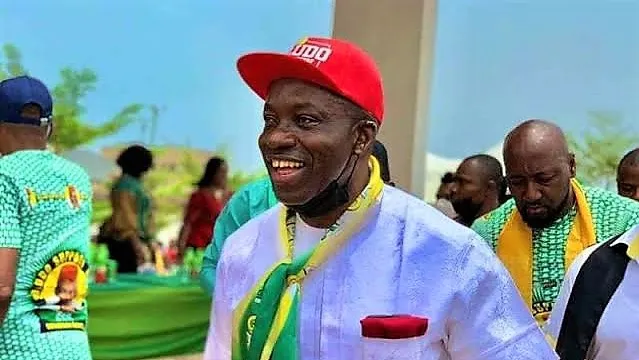
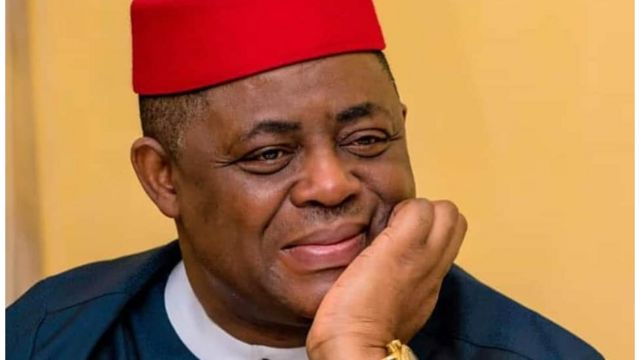
Regional Advocacy Lead and ECOWAS Liaison Officer for the West Africa Democracy Solidarity Network Austin Aigbe , has underscored the urgent need for a substantive minister to revitalize Nigeria’s struggling petroleum sector following President Bola Tinubu’s recent cabinet reshuffle.
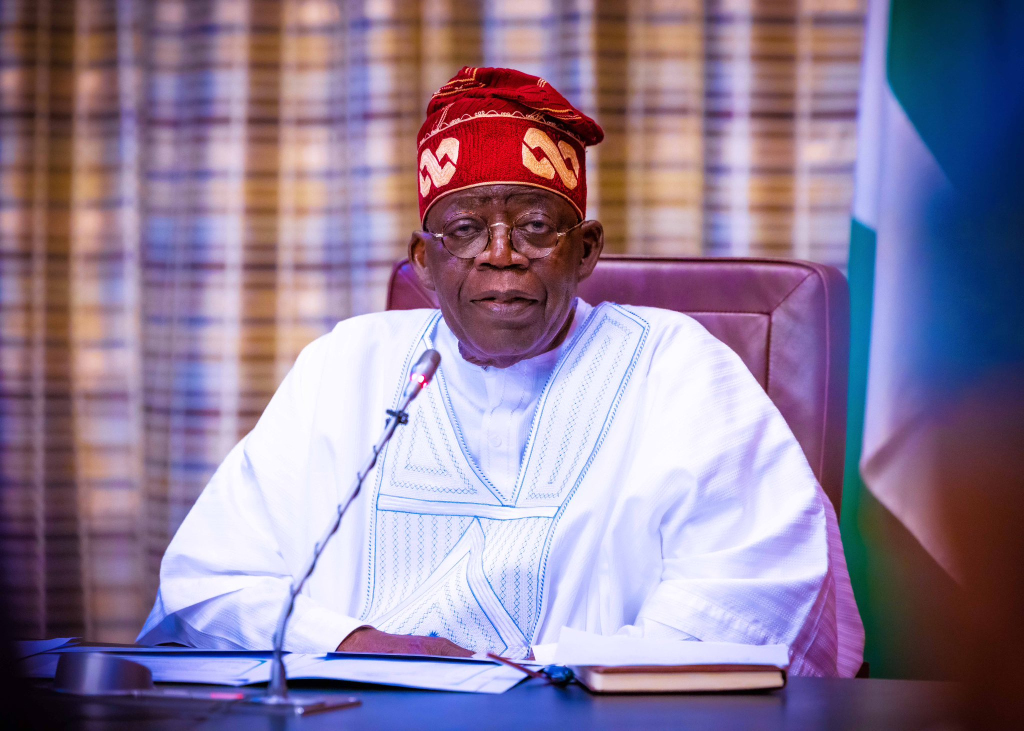
Aigbe, in an interview on Thursday 24th October, spoke on the recent cabinet shake-up, he particularly highlighted the struggling petroleum sector, asserting the necessity for a substantive minister to oversee its operations effectively.
He said ”Technically, now that the petroleum sector is not doing well, and we need to revamp it, If the president needs to appoint a substantive minister who will run the affairs of that ministry in a way that delivers public good to the greatest number of people, I think that will be a good one for him. The president cannot be a minister, he’s the minister of all. He can’t now sit as minister again.”
He suggested initiatives that could foster investment in compressed natural gas (CNG) kits, proposing a system of repayment or grants to ensure that Nigerians can access this vital resource. The Regional Advocacy Lead further stressed the need for enhanced security measures, arguing that the current security situation poses a major risk to attracting foreign direct investment (FDI).
He emphasised the necessity of making appointments based on merit and performance rather than political patronage, pointing out that political influence has permeated these decisions. President Bola Tinubu executed a major cabinet reshuffle, announcing the reassignment of 10 ministers to new portfolios while discharging five others. This reshuffle comes in the wake of increasing concerns about the country’s economic performance and security situation.
A central feature of this reshuffle is the rebranding of the Ministry of Niger Delta Development to the Ministry of Regional Development, alongside the dissolution of the Ministry of Sports Development. Furthermore, the previously separate Ministries of Tourism, Arts and Culture have been merged into a new entity: the Federal Ministry of Art, Culture, Tourism, and the Creative Economy.