A shocking discovery has been made off the coast of Rio de Janeiro, Brazil, where sharks have tested positive for cocaine, scientists say.
Researchers have long suggested that sea life could be impacted by drugs dumped into the water by smugglers, with tonnes of cocaine found around Florida, South and Central America.
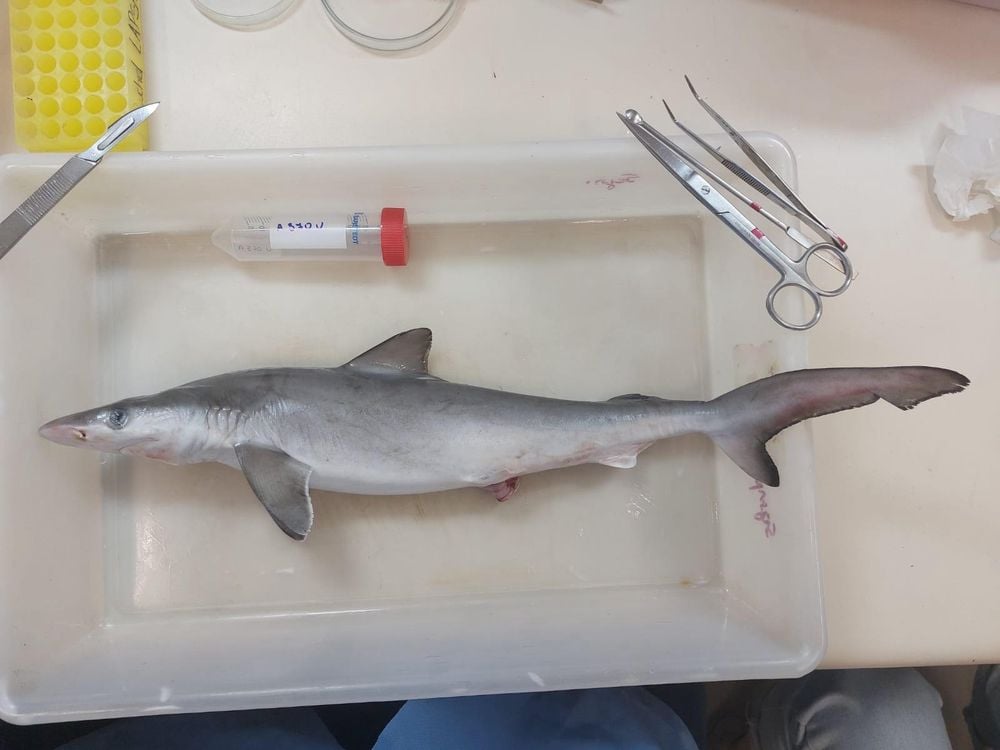
The scientists dissected 13 wild Brazilian sharpnose sharks that were bought from small fishing vessels, as the species spend their entire lives in coastal waters and were therefore most likely to be affected by pollution.
Biologist Rachel Ann Hauser-Davis emphasised the need for further studies to determine the exact consequences of this contamination on the sharks.
All 13 sharks were positive for the drug, with a concentration as much as 100 times higher than previously reported for other aquatic creatures, the scientists found.
As apex predators, sharks are considered “sentinel species” that can provide early warnings about environmental threats to humans. The study highlights the importance of monitoring pollution’s impact on marine life.
While the study didn’t explore the specific effects of cocaine on sharks, other research has shown that brown trout can become addicted to methamphetamine.
In June last year, the US Coast Guard seized more than 14,100 pounds (6,400 kg) of cocaine in the Caribbean Sea and Atlantic Ocean, with an estimated value of $186m (£142m).