Countries on the frontlines of climate change have warned they cannot wait another year for long-sought aid to recover from disasters as floods and hurricanes wreak havoc across the globe.
The appeal came during a meeting of the “Loss and Damage” Fund that will conclude Friday, July 12, 2024.
Adao Barbosa said a board member from Timor and a negotiator for the world’s poorest nations said, “We cannot wait until the end of 2025 for the first funds to get out of the door. Loss and damage aren’t waiting for us.”
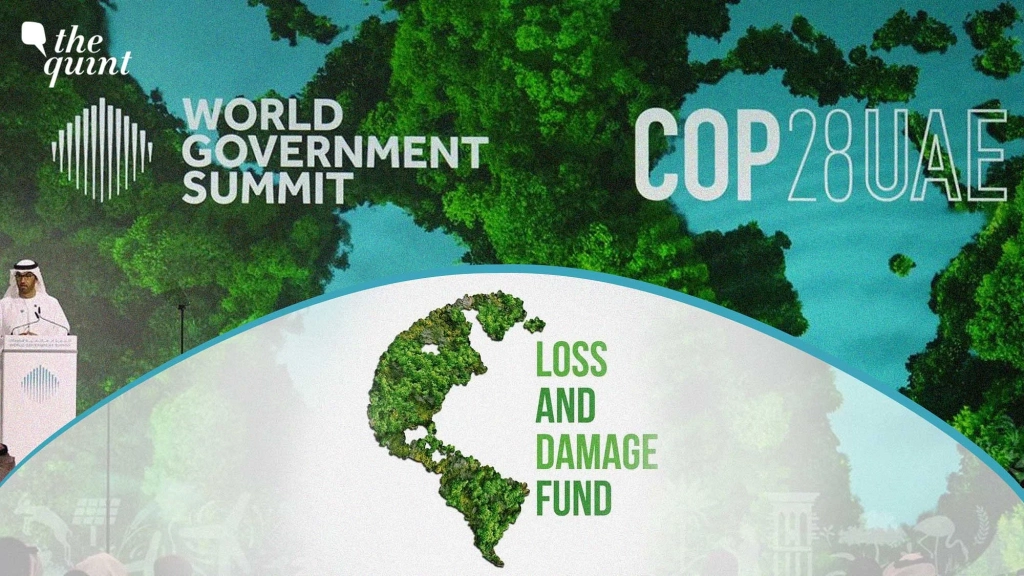
Nearly 200 nations agreed at the United Nations COP28 summit last November to launch a fund responsible for distributing aid to developing countries to rebuild what they have lost in the course of climate disasters.
“The urgency of needs of vulnerable countries and communities cannot be left until we have every hair in place for this fund,” said Barbosa.
This year has witnessed a string of catastrophes on multiple continents, from floods and landslides to heatwaves and wildfires.
Delegates met in South Korea for the second meeting of the loss and damage fund this week as Hurricane Beryl left a trail of destruction across the Caribbean and North America.
In an appeal for faster action, a board member from Barbados, Elizabeth Thompson said Hurricane Beryl alone had caused “apocalyptic” damage worth “multiple billion dollars.”
“In five islands of the Grenadine 90 per cent of the housing is gone. Houses look like packs of cards and strips of wood, roofs are gone, trees are gone, there is no food, there is no water, and there is no power.
Wealthy nations have so far pledged around $667 million to the loss and damage fund at the start of this week’s meeting.
“That would hardly cover the likely losses from one major climate-related disaster,” Camilla More, of the International Institute for Environment and Development, told AFP.
Some estimates suggest developing countries need over $400 billion annually to rebuild after climate-related disasters. One study put the global bill at between $290bn and $580bn a year by 2030 and rising after that.