There is no gain saying that Benue State is currently the hub of Internally Displaced Persons, IDPs, in the country.
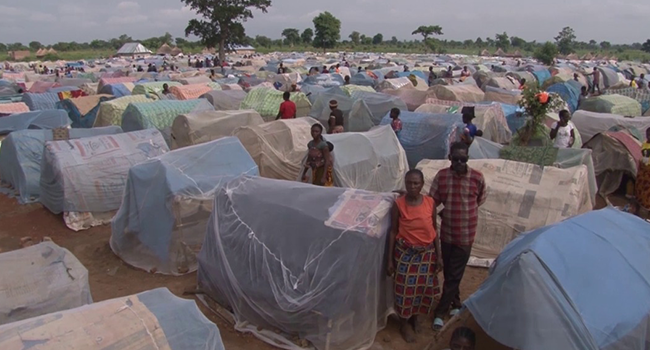
With about 17 or more IDPs camps housing over 1.5 million IDPs, including those sheltering in the host communities, the state is no doubt facing a herculean task catering for the needs of these persons of concern.
The IDPs were forced out of their ancestral homes following repeated attacks and siege by armed herdsmen who are bent on defying the extant grazing law in the state.
Given the dire condition in the camps the IDPs are faced with the challenges of inadequate food and drugs supply, including insufficient sleeping spaces and other challenges that make life unbearable for them.
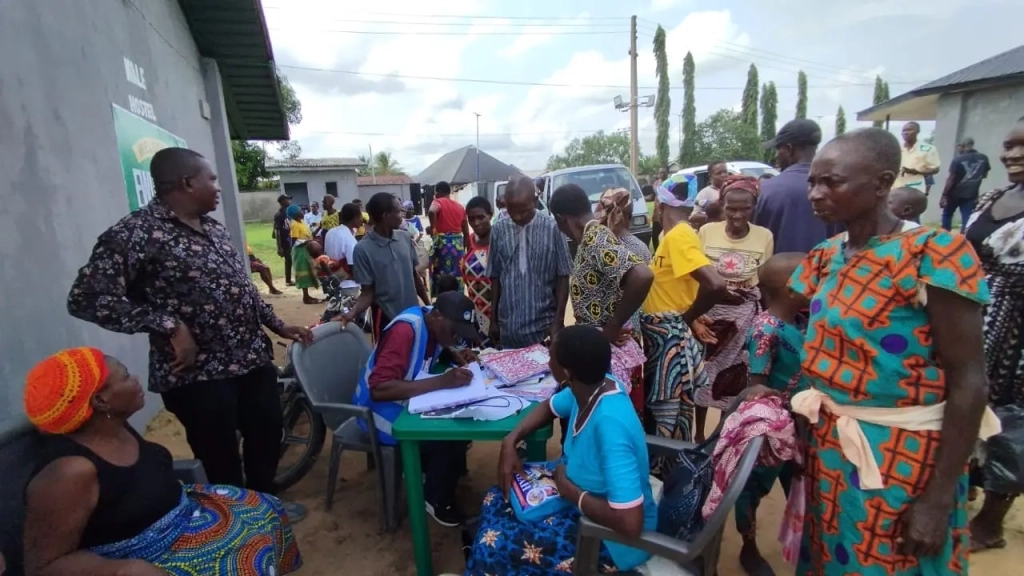
But in the mist of these challenges one notable issue is the high rate of new child births being recorded in some of the camps.
Strange as it may sound, the reality is that new born babies are recorded in the camps in high numbers despite the living condition of the IDPs.
The development though, a reason for celebration for families in a normal living environment, is considered a source of concern in an IDPs camp as it puts a huge strain on the healthcare service there.
Besides, the new born are brought to a world of uncertainty in IDPs camps where access to proper health care services and feeding sometimes gets daunting leading to health challenges and even malnutrition.
It was discovered that over 200 new babies were given birth to in one month by displaced mothers taking refuge in that camp alone.
One of the IDPs, who identified himself as Anngu, also claimed to be a father of two and resides in the camp with his family, said “sleeping with our wives makes us happy and it eases our pains.”
So we cannot be asked to stop because we are living in camp. The only thing is that we must ensure that our wives protect themselves from being pregnant though some men don’t like the idea of their wives not giving birth.
Speaking on the development, the Executive Secretary of the Benue State Primary Health Care Board, Mrs. Grace Wende, who visited the camp, said the number of new births was quite high and the government would need to do something about it.
“Today I saw many pregnant women and young children and it seems that there is very high level of fertility and child birth within these camps,” she said.
Our findings indicated that the women there are helpless. Some women are remarrying within the camp, their husbands are not there; the husbands are also remarrying. They are also, sort of negotiating sex with the women within the camp. Those things are things that require that we intensify our advocacy and decision making within the camps.
“I have already talked with the State Emergency Management Agency, SEMA, and the Camp Coordinators to see how we can go about it. We will target the advocacy on the men for now,” she added.