Against the backdrop of sustained pressure in the foreign exchange market and high cost of production, the Manufacturers Association of Nigeria, MAN has indicated that inventory of unsold goods is escalating to levels now threatening the existence of companies operating in the production sector of the economy with attendant job losses.
Recall that the naira traded for N471 per dollar in the official I&E market on June 13, 2023 before the floatation of the currency, but exchanged for N1,665.50 to a dollar as at February 23, 2024 on the Nigerian Foreign Exchange Market (NAFEM), indicating a depreciation of more than 253.6 per cent over the eight-month period. The forex crisis is also stoking inflation, and coupled with high energy costs, purchasing power has continued plummet, stifling demand for goods.
Stockpiled warehouses
Segun Ajayi-Kadir, said: “There are reports that across the board, many warehouses and plants of many manufacturing firms are stockpiled with unsold goods manufactured last year. “The development is as a result of the devastating effects of the exchange rate crisis, inflation, fake and sub-standard goods, smuggling and other macro-economics challenges.
“These had put many manufacturers in a great dilemma in the current year as they are applying brakes on production by watching keenly events in the country to know if there would be improvement in sales in order to create space for fresh production for the year.” Ajayi-Kadir warned that manufacturers may be forced to halt making new products, leading to workforce down-sizing, since production lines are becoming inactive. “The continued naira depreciation against the dollar, and the general forex volatility were forcing manufacturers to have a rethink.
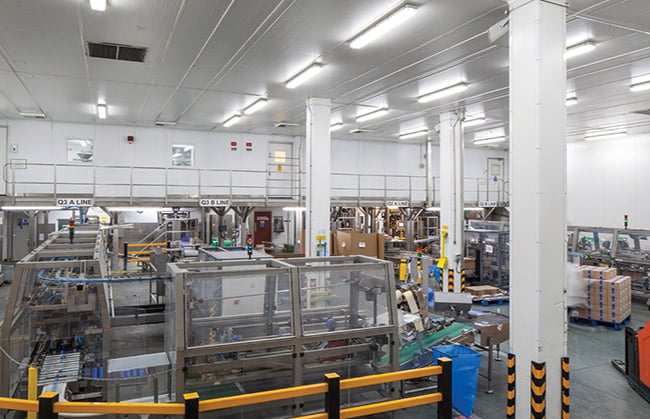
Also last year, Unilever Plc cut some of the products manufactured in Nigeria, while Nestle SA has posted losses from its operations. The main reason for the exodus of these conglomerates is scarcity of dollars that they need to repatriate their earnings, with CBN still struggling to clear a backlog of demand for dollars companies require to pay debts and import raw materials.
This is in addition to a near complete absence of reliable electricity supply and congestion at the nation’s ports.
Way forward
On short-term measures to alleviate challenges faced by manufacturers, Ajayi-Kadir recommended freezing the rates at which the import of raw materials, spares, and machines is calculated. According to him, this would provide stability for manufacturers, shielding them from the impact of fluctuating currency values and fostering a more predictable business environment.
He also proposed that the government open new credit sources with rates not exceeding 5 per cent, providing quick wins to alleviate pressure on the manufacturing sector. “Additionally, the government should remove the price verification porter because it’s causing companies to shut down, they are not able to import those raw materials.
Managed naira float
In his comment, Dr Muda Yusuf, CEO, Centre for the Promotion of Private Enterprise (CPPE), said: “The depreciation of the naira exchange rate is an inevitable outcome of the current economic reforms. The primary objective is to correct the distortions in the foreign exchange market which had lingered for some time. Admittedly, the economic, social and political costs are quite high. “The main anchor of the reform is the unification of the exchange rate, between the official and parallel markets. The challenge has been that our foreign reserves are not robust enough to make the process less painful.
The economy is still grappling with a major forex liquidity crisis.” Yusuf added that the implications of the current crisis for investors and citizens are multifaceted. “They include: intense inflationary pressures; escalating production and operating costs across all sectors of the economy; erosion of profit margins as businesses could not significantly transfer increased costs to consumers. “Businesses that have foreign exchange exposure are under severe pressure; businesses with foreign shareholders are struggling to deliver value to their offshore shareholders because of the erosion of domestic currency value; and planning has become difficult for many investors because of the current volatilities.”