In the bid to sanction the Niger Republic Military Coup, Nigeria cut the electricity supply in major cities of the Niger Republic.
Power cut by Nigeria is part of the sanctions imposed on Niger by the Economic Community of West African States (ECOWAS) following the military coup. The coup, which took place on Wednesday, July 26, ousted democratically elected President Mohamed Bazoum and brought in Omar Tchiani, the head of presidential guards.
Niger’s electricity company Nigelec said the power shortages are a result of Nigeria cutting supplies to its northern neighbor, according to this report.
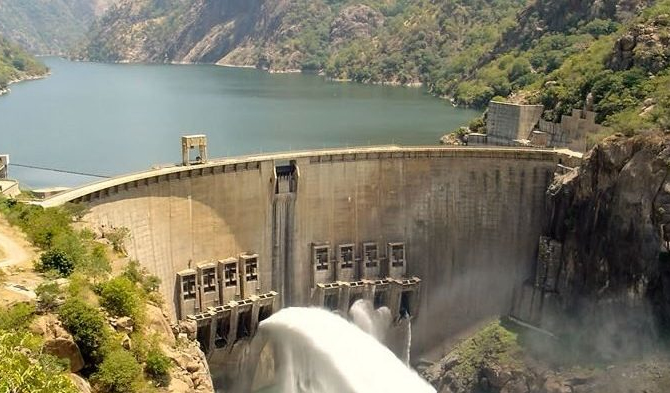
The country is heavily dependent on Nigeria as its main supplier of electricity. In 2019, Nigelec’s chief executive said Niger relied on Abuja for up to 70 percent of its electricity supply. Kainji Dam in western Nigeria generates Niger’s electricity.
But Niger hopes to achieve energy independence by building the ‘Kandadji Dam’ on the Niger River, about 180 kilometers (110 miles) upstream of Niamey. The dam should be completed by 2025, with a targeted annual capacity of 629 gigawatt-hours (GWh).
ECOWAS also imposed sanctions on Niger by suspending all commercial and financial transactions between the country and member states. The regional bloc is freezing Niger’s assets in ECOWAS central and commercial banks and imposing a “travel ban and asset freeze for the military officials involved in the coup attempt”.
“The same applies to their family members and the civilians who accept to participate in any institutions or government established by these military officials.”
On Sunday, July 30, ECOWAS issued a seven-day ultimatum to the Niger Republic military to release and reinstate President Mohammed Bazoum as the legitimate Head of State and government. The trade bloc threatened military intervention should the requests be ignored. But the junta that seized power dismissed the threats and warned ECOWAS against military intervention.