March 24 marks the day in 1882 when Dr Robert Koch announced that he had discovered the bacterium that causes TB, which opened the way towards diagnosing and curing this disease.
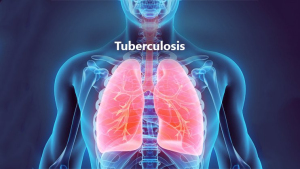
However, TB still claims 4 100 people lives each day and close to 27 000 people fall ill with this preventable and curable disease.
The emergence of drug-resistant TB poses a major health threat that could put at risk the gains made to end the global TB epidemic.
On the occasion of World TB Day (WTD), today, the World Health Organisation (WHO) has warned that plans to end tuberculosis by 2030 are under threat, as disease remains one of the world’s deadliest infectious killers.
The WHO, in a statement, said: “Each day, close to 4400 people lose their lives to TB and close to 30,000 people fall ill with this preventable and curable disease. Global efforts to combat TB have saved an estimated 74 million lives since the year 2000. However, the COVID-19 pandemic, coupled with conflicts across Europe, Africa and the Middle East and socioeconomic inequities, have reversed years of progress made in the fight to end TB, and placed an even heavier burden on those affected, especially the most vulnerable. In its latest Global Tuberculosis Report, WHO highlighted that for the first time in over a decade, estimated TB incidence and deaths have increased.”
Speaking during a road show to mark WTD in Abuja, Director in the Federal Ministry of Health’s Tuberculosis and Leprosy Control Programme, Ahmad Muhammad Ozi, said Nigeria has a lot of missing cases of TB, and records about 400, 000 cases of TB yearly.
Nigeria is among the 14 high burden countries for TB, TB/HIV and Multi Drug Resistant TB and the country is ranked sixth among the 30 high TB burden countries globally and 1st in Africa.
WTD is observed yearly on March 24 to raise awareness about TB and efforts to end the global epidemic, marking the day in 1882 when the bacterium causing TB was discovered.
WTB 2023, with the theme ‘Yes! We can end TB!’ aims to inspire hope and encourage high-level leadership, increased investments, faster uptake of new WHO recommendations, adoption of innovations, accelerated action, and multi-sectoral collaboration to combat the TB epidemic. This year is critical, with opportunities to raise visibility and political commitment at the 2023 UN High-Level Meeting on TB.
The spotlight of World TB Day will be on urging countries to ramp up progress in the lead-up to the 2023 UN High-Level Meeting on TB. WHO will also issue a call to action with partners, urging Member States to accelerate the rollout of the new WHO-recommended shorter all-oral treatment regimens for drug-resistant TB.
Ozi said: “We are thinking of totally eradicating Tuberculosis by the year 2030, but as it is, we still have a long way to go in Nigeria because from what we had last year, we were able to notify over 280, 000 new cases out of about 400, 000 cases. We have covered up to 40 percent of the notification rate, so we still have a long way to go. We will try; as much as we can to get the Tuberculosis response programme to the nearest minimum. From the policies of the Federal Government, we are working to ensure that Tuberculosis is prevented from communities in the country. TB is a curable disease, and we have earmarked some of the policies that can influence TB control in Nigeria. For instance, the diagnosis of Tb in every community in Nigeria is free. The policy also states that the treatment of the disease is also free.”
Also speaking, Deputy Project Director of Tuberculosis – Breakthrough Action Nigeria, Bolatito Aiyenigba noted that there is a drive to end tuberculosis globally and urged Nigerians to get tested because it’s free.
Ayenigba said: “We believe we can end the disease because there is a concerted effort globally to put resources into science in a bid to get rid of the disease. With support from partners, the Federal Government has made a great effort to get the new tools and appropriate diagnostic materials and let the people know that these things are there.
“For a long time in Nigeria, testing for TB has been free, but people don’t know, so they are suffering in silence. To address that, the national programme has created a national campaign tagged ‘Check amoo, because who no go, no go know’. The good thing with tuberculosis is that the treatment is available and free, it can be totally cured.”
WHO Regional Director for Africa, Dr. Matshidiso Moeti, who made the call in her massage to mark the 2023 World TB, yesterday lamented the devastating health, social and economic consequences of this preventable disease and called for accelerated action to end it.
According to the WHO, TB occurs in every part of the world. In 2021, the largest number of new TB cases occurred in the WHO South-East Asian Region, with 46 per cent of new cases, followed by the WHO African Region, with 23 per cent of new cases and the WHO Western Pacific with 18 per cent.
It noted: “A total of 1.6 million people died from TB in 2021 (including 187 000 people with Human Immuno-deficiency Virus/HIV). Worldwide, TB is the 13th leading cause of death and the second leading infectious killer after COVID-19 (above HIV/Acquired Immune Deficiency Syndrome/AIDS).
WHO Director-General, Dr. Tedros Adhanom Ghebreyesus, said: “TB is preventable, treatable and curable, and yet this ancient scourge that has afflicted humanity for millennia continues to cause suffering and death for millions every year.
“WHO is committed to supporting countries to step up their response, by expanding access to services to prevent, detect and treat TB as part of their journey towards universal health coverage, and to strengthen their defences against epidemics and pandemics.”
As part of the DG Flagship initiative, a special call to action is being issued by WHO and partners urging Member States to accelerate the rollout of new WHO-recommended shorter all-oral treatment regimens for drug-resistant TB.
Drug-resistant TB continues to be a pressing public health concern, taking a significant toll on individuals affected by TB, communities, and healthcare systems worldwide. In 2021, nearly half a million people fell ill with multidrug- or rifampicin-resistant TB (MDR/RR-TB), only one in three accessed treatment.
New WHO guidelines on drug-resistant TB treatment recommend rapid roll-out of the novel BPaLM/BPaL regimen that has the potential to significantly increase cure rates due to its high effectiveness, offer more extensive access because of its lower cost, and improve patients’ quality of life, as it is an all-oral treatment that is considerably shorter than traditional regimens.
Director of WHO’s Global Tuberculosis Programme, Dr. Tereza Kasaeva, said: “2023 is our chance to push forward the agenda towards ending TB. On World TB Day, WHO is pressing for firm political commitment at the highest level, strong multisectoral collaboration including beyond health, and an effective accountability system. We need everyone—individuals, communities, societies, donors and governments—to do their part to end TB. Together, yes, we can end TB.”
In September 2023, the UN General Assembly will convene three High-Level Meetings focusing on UHC, pandemic preparedness and response and ending TB. There are clear linkages between these agendas and the Heads of State will deliberate to accelerate action, including on the goal to end TB.
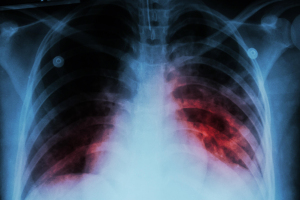
Tuberculosis(TB) is a contagious infection that usually attacks your lungs. It can also spread to other parts of your body, like your brain and spine. A type of bacteria called Mycobacterium tuberculosis causes it.
TB has remained a significant global health challenge and it is the world’s deadliest infectious disease and must be tackled with utmost urgency and responsibility.
World TB Day is an opportunity to focus on the people affected by this disease and to call for accelerated action to end TB suffering and deaths.