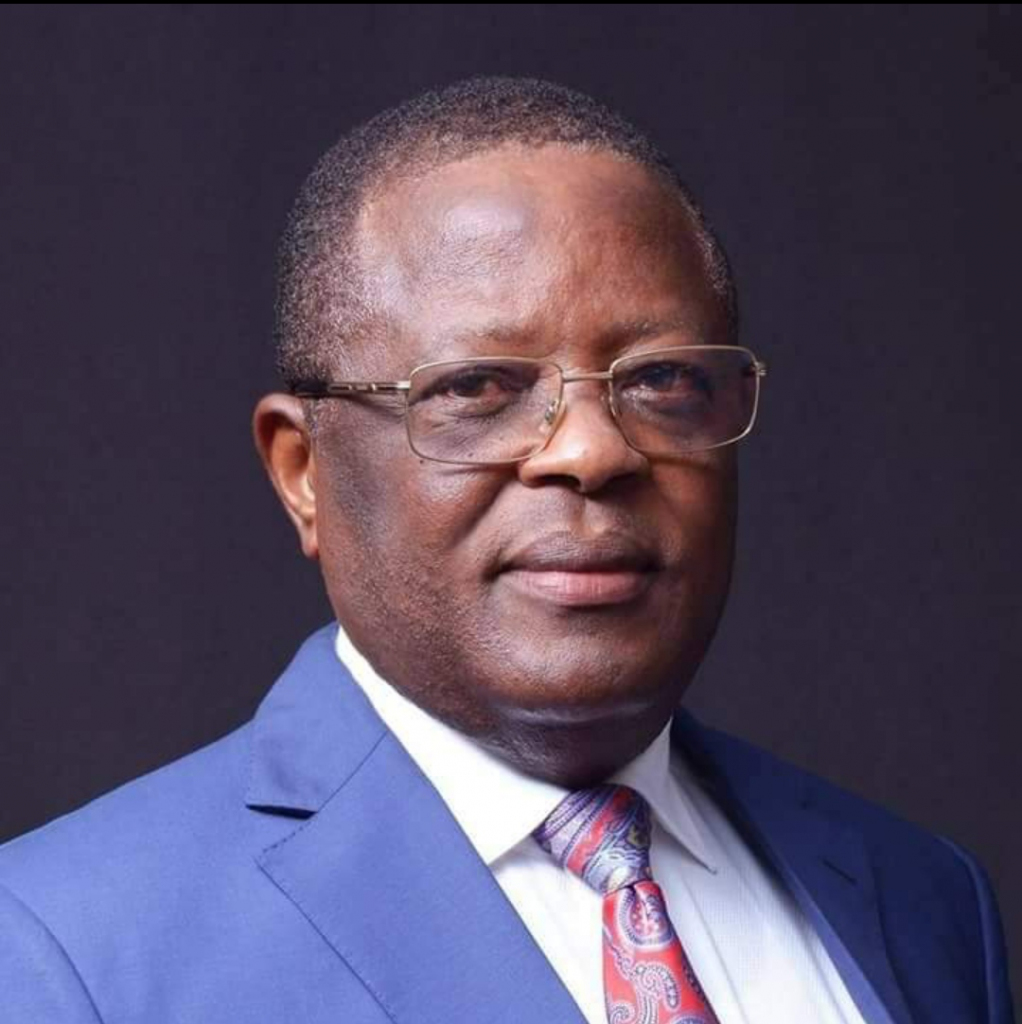
The governor of Ebonyi State, David Umahi, has prohibited any political rallies in the state’s primary and secondary schools starting on November 1st, 2022, in advance of the general election in 2023.
At the State Citizens’ Input for the 2023 Budget Estimate on Monday 31st October, 2022 in Abakaliki, Governor Umahi declared the prohibition.
Before holding such rallies in the state, according to Umahi, all political parties, including the All Progressives Congress, must receive the commissioner of education’s clearance.
He claimed that the ban followed the defacing and destruction of school property with faeces and other materials during such gatherings.
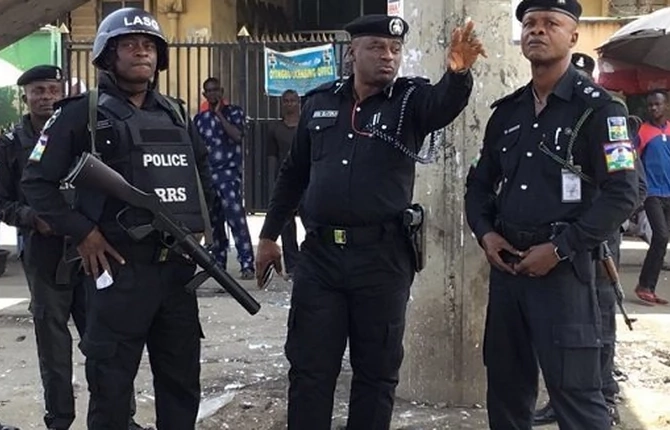
In Ebonyi State, Umahi also outlawed the use of motorcycles, or “okadas,” between the hours of 7 p.m. and 6 a.m.
He claimed that the decision was made to protect the lives and property of locals since, in his opinion, criminals often utilise motorcycles to carry out their nefarious deeds.
He said, “The Attorney-General will come up with executive order banning motorcycles in every part of the State from 7 pm to 6 am. If you want to use it, use it before 7 pm. We have to do everything to secure your lives.
“When we take hard decisions it is because we have to take it. The primary responsibility of government is to secure lives and property, so you must make sacrifices to do it.
“From November 1, 2022, no rallies in schools whether primary schools or secondary schools. If you must hold rallies there, you must apply to Commissioner for Education and he must give you permission because when you do rallies in these places and mess it up with faeces and other dearths, who will clean it?”
“So if you apply, you must put down money for the cleaning after the rally irrespective of the party.”
The Governor also lashed out at those calling for the disbandment of Ebubeagu, saying the outfit has come to stay. According to him, the group was filling the gap created by inadequate manpower in the security architecture of the state.